
3 November 2026
A key visual that sticks
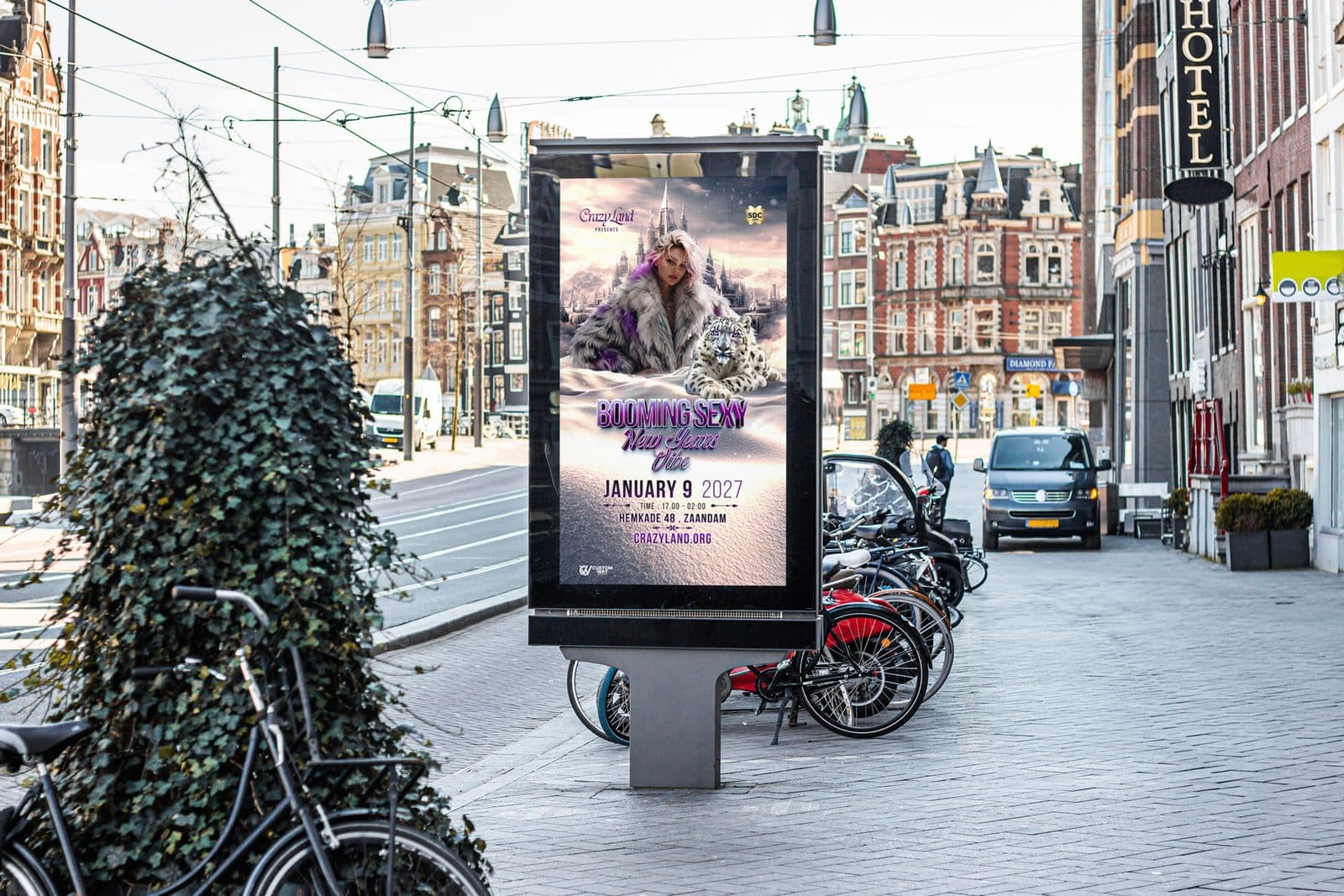
This is how you create a recognisable image for your event that sticks. Practical tips for a key visual that strengthens your brand and resonates with your target audience.
Why a key visual makes your event stand out
A key visual is the image someone pictures when they think of your event. It is more than a nice photo or illustration; it is the visual translation of your brand and atmosphere. Whether you are organising a festival or a corporate conference, a strong key visual creates recognition and curiosity. Without such an image, you get lost in the stream of stimuli.
Think of the best events you have attended. Often you can picture the image straight away: striking use of colour, a distinctive shape or a recurring element. That is no coincidence. It is the result of a considered design that goes beyond merely 'pretty'. It creates a visual language you can use everywhere: from flyer to social post and from website to fence banner.
When developing an event key visual, it is essential to first determine the core of your event. What is the atmosphere? Who is coming? What do you want people to feel? Only once you have that clear can you create an image that truly fits and sticks.
From idea to image: building a key visual
A key visual does not just appear. It is a process of sketching, testing and refining. Start with a moodboard in which you capture the atmosphere, colours and style. Look not only at competitors, but also at other visual expressions that evoke the same emotion. Think of fashion, interiors or art.
Then you start sketching. Work with pen and paper or digitally, but keep it simple at first. Focus on composition and form. A good key visual also works in black and white; colour comes later. Test your sketches at a small size: if the image is still recognisable on a postage stamp, you are on the right track.
After that, you choose the final direction and work it out in a few variants. Show these to a test audience and ask not 'what do you think is beautiful?' but 'what do you see and what do you feel?'. That way you get valuable feedback to make the image stronger.
Application: from flyer to social and website
A key visual is only truly successful if it can be used flexibly. You want to be able to use it on a flyer, a poster, an Instagram post and the header of your website. So make sure you have an image you can crop and pour into different formats without losing its power.
Think about the carriers of your image. Do you have a landscape and a portrait format? Can you use elements separately? A common mistake is that a key visual only works well on the original design, but not on social media. So make a list in advance of all the expressions on which the image must appear and test whether it comes across everywhere.
The combination with text is also important. Ensure sufficient contrast and space for headings and calls-to-action. A key visual that is too busy does not work. Keep it clean and make sure the image reinforces the message rather than dominating it.
Common mistakes and how to avoid them
One of the biggest mistakes is that organisers want too much. They cram all sorts of elements into the image: dates, logos, speakers, sponsors. The result is a messy whole that nobody remembers. Less is more: choose one strong concept and work it out.
Another mistake is that the image does not connect with the target audience. A key visual for a techno festival looks different from one for a literary event. Research your audience and align the style accordingly. Ask yourself: would my target audience understand this image and find it appealing?
Finally: make sure your key visual does not look too much like a competitor's. Originality is important, but it must still suit your brand. Be inspired, but do not copy. With a little daring and creativity, you create an image that is truly yours and sticks.
Want to know more?
Curious what Custom Way Design can do for you in the field of event branding?
View Event brandingGet in touch
Want to discuss an assignment or project? Tell us what you are working on — we reply within two working days.
Get in touch