

17 September 2026
Event website: more than an invitation
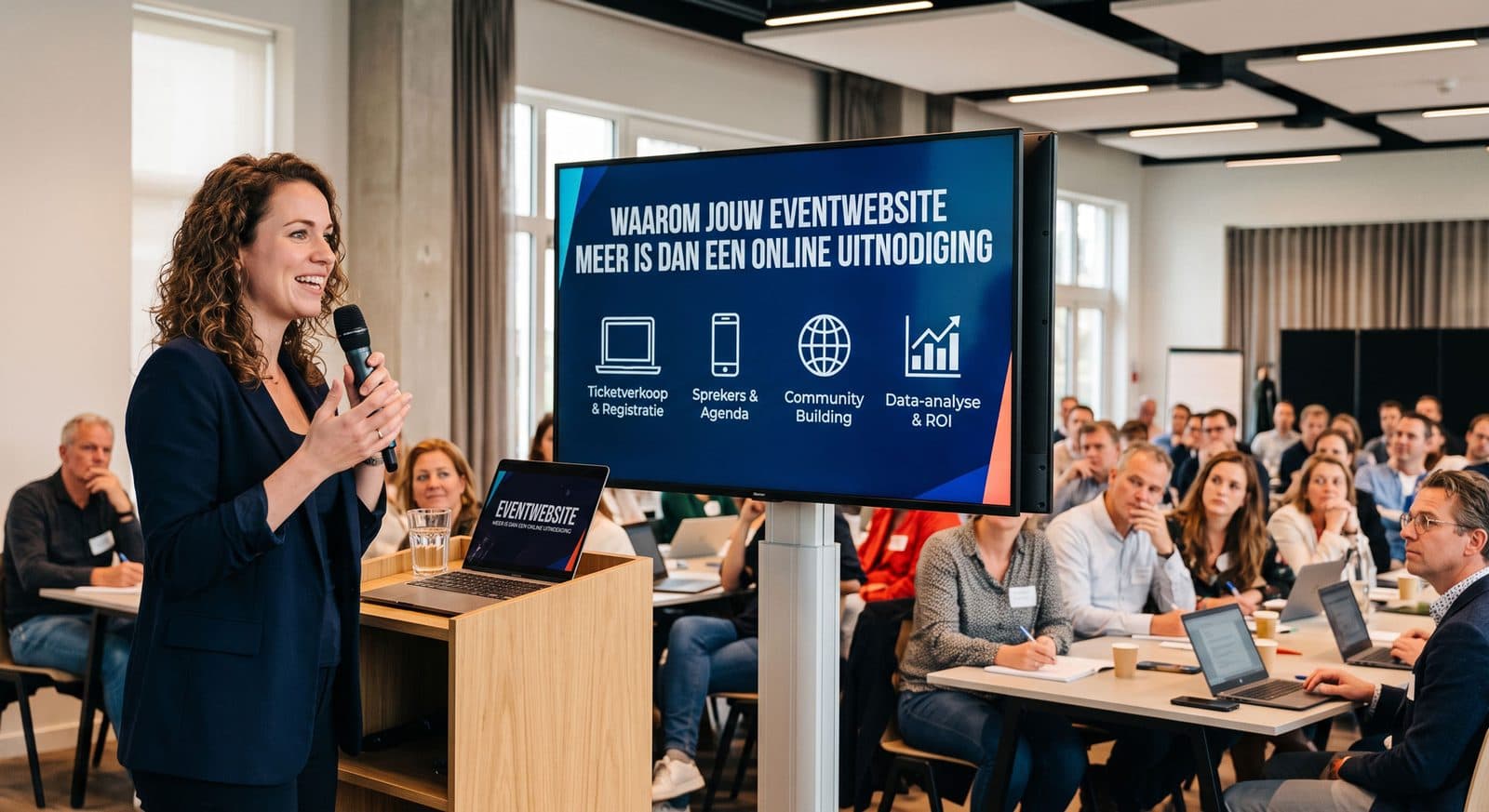
An event website is not a digital poster, but the starting point of the experience. Discover how to truly take visitors with you before the first day even begins.
The first impression starts online
Most visitors decide within seconds whether your event is worth their time. Even before they buy a ticket, they form an impression based on what they see online. An event website that only shows the date, location and a registration form tells no story and sparks no desire. Visitors want to feel what awaits them: the atmosphere, the energy, the people they are going to meet.
Think of an event website as the trailer of a film. You don't have to give everything away, but you do need to make people curious. Show a glimpse of previous editions, share quotes from speakers or participants, and use imagery that reinforces the identity. That way you build a bond with your audience early on.
A common mistake is that organisers only build their website late in the process, when the event is almost sold out. It is precisely in the run-up phase that the website is your most important marketing channel. So start with a strong online presence at least three months before the event, even before the first post appears on social media.
From information to interaction
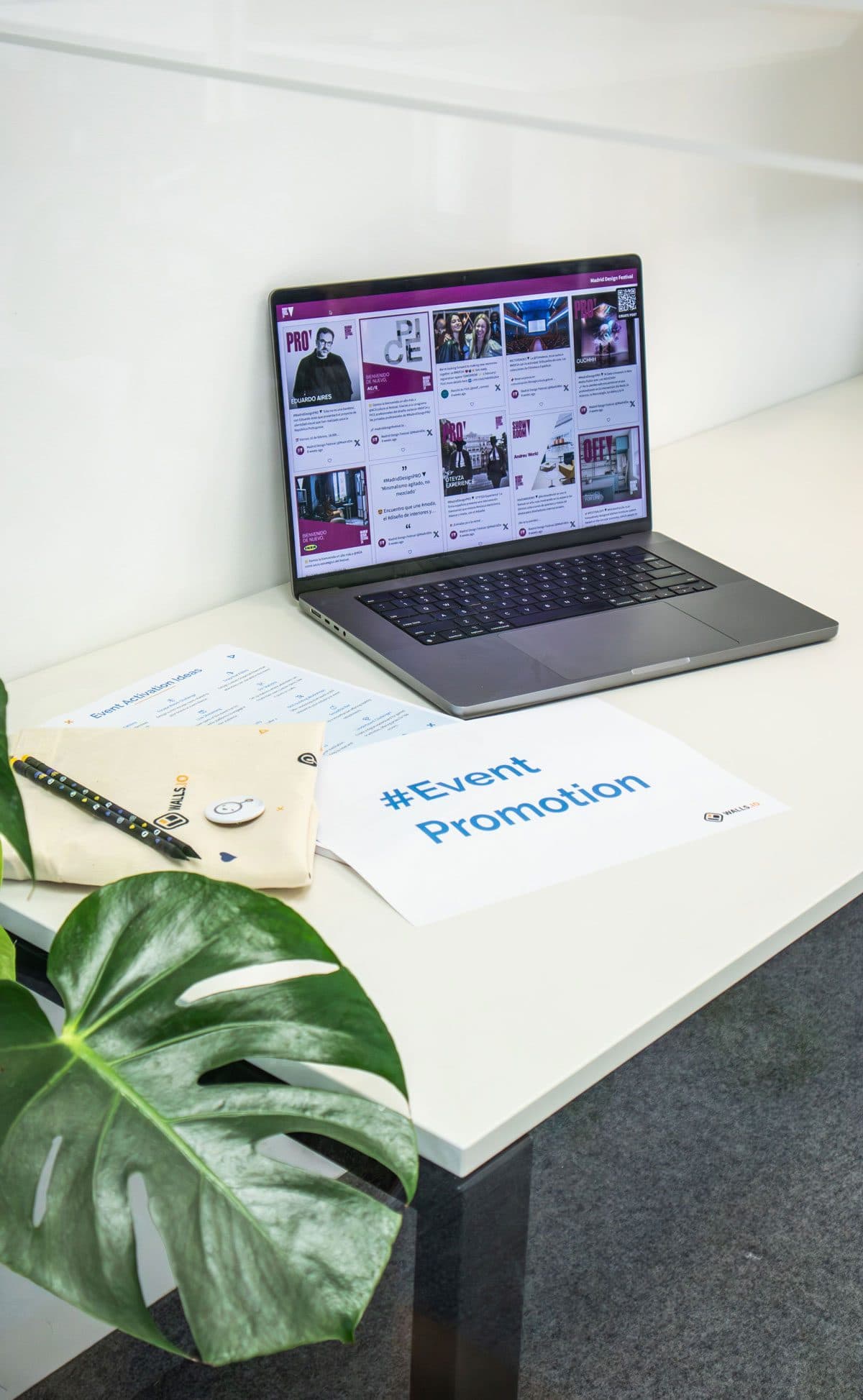
A good event website is not a digital noticeboard, but a place where visitors can actively discover and respond. Think of a programme you can filter by interest, a personal agenda you can put together, or a section where participants can already introduce themselves to each other. The more interaction you facilitate online, the greater the engagement beforehand.
A concrete example: at a business networking event, a simple 'who's coming' page with participant profiles can work wonders. People then see not just a logo and a date, but also which interesting individuals will be there. That lowers the threshold to sign up and makes the event more personal.
Don't forget the mobile experience either. The majority of your visitors arrive via their phone, often through a link in a social media post or newsletter. Make sure the navigation works smoothly, that forms are short and that the most important information is within one tap. A slow or cluttered mobile page costs you registrations straight away.
The experience doesn't stop on the last day
What happens to your event website afterwards? Often a silent page remains with a date from the past. That is a missed opportunity. The website can actually get a second life as an archive and as a stepping stone to a next edition. Post photos, videos, presentations and quotes from participants. That way you extend the experience and give people who weren't there a reason to be there next time.
What's more, you can use the website to keep your community warm between events. Think of a section with recaps, a newsletter sign-up or an announcement of a next event. That way your website becomes a lasting brand platform instead of a temporary project.
So invest not only in the live experience, but also in an online place that keeps on living. That pays off in brand loyalty, repeat visits and word-of-mouth. An event is a moment; a strong website turns it into a story that lasts.
Want to know more?
Curious what Custom Way Design can do for you in the field of web design & web development?
View Web design & web developmentGet in touch
Want to discuss an assignment or project? Tell us what you are working on — we reply within two working days.
Get in touch